Mobile Gaming Adaptations for Swiss Poker Tournaments Featuring Live Casino Elements and Jackpot Incentives
Geschrieben von Anna Hoffmann · 24.8.2026

Mobile Gaming Adaptations for Swiss Poker Tournaments Featuring Live Casino Elements and Jackpot Incentives
Swiss poker tournaments have shifted toward mobile platforms in recent years, and operators now adapt core tournament structures to smartphone and tablet environments while incorporating live casino streams alongside progressive jackpot systems. These adaptations maintain the integrity of traditional Swiss poker rules yet deliver real-time interaction through device-optimized interfaces.
Platform Adaptations for Tournament Play
Developers redesign tournament lobbies, blind structures, and table management tools to function seamlessly on smaller screens, and they compress registration processes into fewer taps while preserving multi-table viewing capabilities. Data from industry reports shows that mobile sessions for poker events in Switzerland increased steadily through 2025, with platforms adjusting latency handling to support simultaneous live video feeds and chat functions without disrupting gameplay flow.
Engineers integrate secure authentication layers that comply with Swiss licensing requirements, and they embed GPS verification alongside device fingerprinting to confirm user location during entry. One operator implemented a hybrid queue system that syncs mobile registrations with desktop backups, allowing participants to switch devices mid-tournament without losing seat assignments or accumulated points.
Live Casino Elements in Mobile Poker Settings
Live dealer integration brings real-time video of professional dealers and physical card tables directly to mobile screens, and Swiss platforms combine these streams with digital poker interfaces so players can follow community cards while observing dealer actions through the same application window. Bandwidth optimization techniques keep video quality stable across varying network conditions common in Swiss regions.
Operators schedule live poker segments that align with mobile tournament start times, and they provide picture-in-picture options that let users monitor both virtual opponents and physical table activity. Research from the European Gaming and Betting Association indicates that live-streamed poker events on mobile devices attract higher retention rates when jackpot triggers coincide with dealer announcements.
Jackpot Incentive Structures
Progressive jackpot pools in these adapted tournaments accumulate across multiple mobile tables and live streams, and they distribute prizes through tiered levels that reward both overall leaderboard positions and specific hand achievements such as royal flushes during live dealer rounds. Swiss operators link jackpot contributions to buy-in amounts while capping daily additions to maintain regulatory balance.
Notification systems alert mobile users when jackpot thresholds approach, and they display running totals within the main tournament dashboard without interrupting active hands. Platforms that introduced jackpot multipliers tied to live casino participation reported measurable increases in concurrent users during peak evening hours in early 2026.
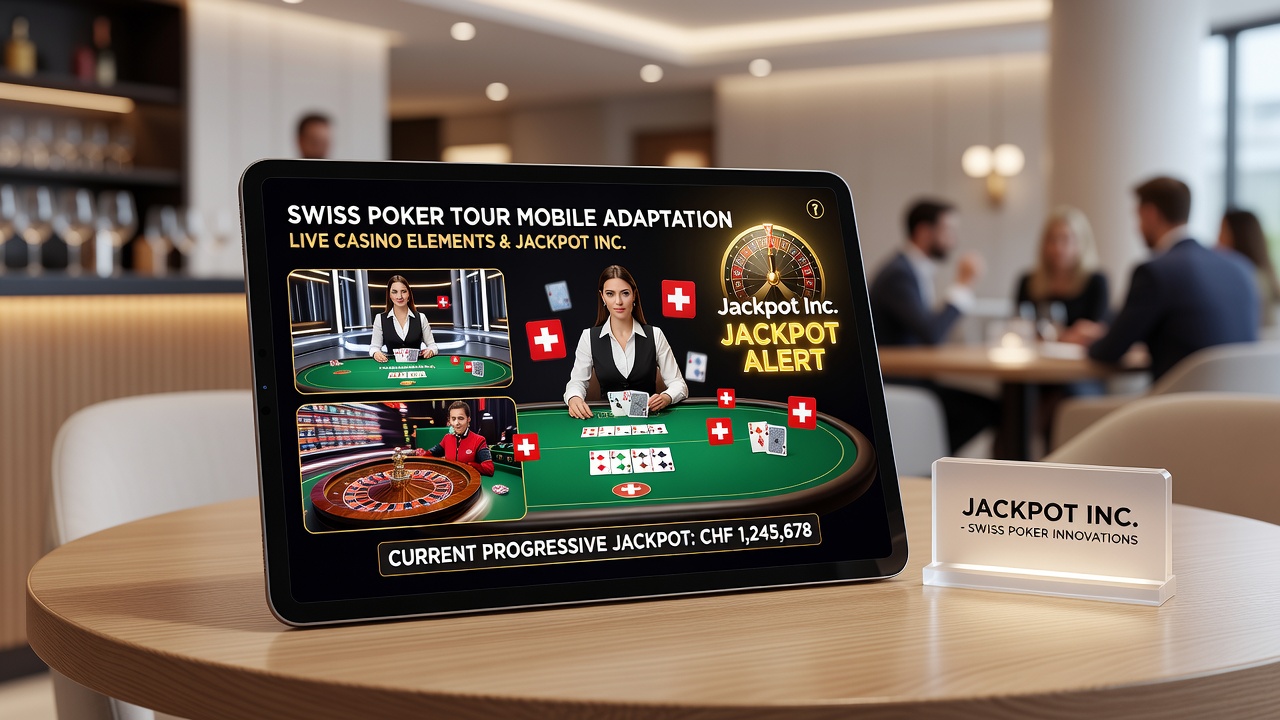
August 2026 brought further refinements when several platforms updated their jackpot algorithms to synchronize more precisely with live dealer card reveals, creating additional incentive layers for mobile participants who remain connected throughout extended tournament durations.
Technological and Operational Developments
Cloud-based rendering allows mobile devices to process complex poker simulations alongside live video without draining battery reserves quickly, and operators continue to refine touch controls for betting, folding, and raising actions to match the precision previously available only on desktop setups. Security protocols now include end-to-end encryption for both tournament data and live stream connections.
Partnerships between Swiss licensees and international software providers have produced unified APIs that merge live casino feeds with mobile poker engines, and these integrations support cross-device leaderboards that update in real time. Observers note that such technical cohesion reduces entry barriers for players who prefer mobile access yet expect the same transparency found in traditional Swiss tournament venues.
Conclusion
Mobile adaptations continue to reshape Swiss poker tournaments by blending live casino streams with structured jackpot systems, and the resulting platforms deliver consistent experiences across devices while adhering to established regulatory frameworks. Ongoing refinements through 2026 demonstrate how operators maintain competitive structures while expanding accessibility through smartphone and tablet interfaces.